
Creating a Legacy for Future Generations
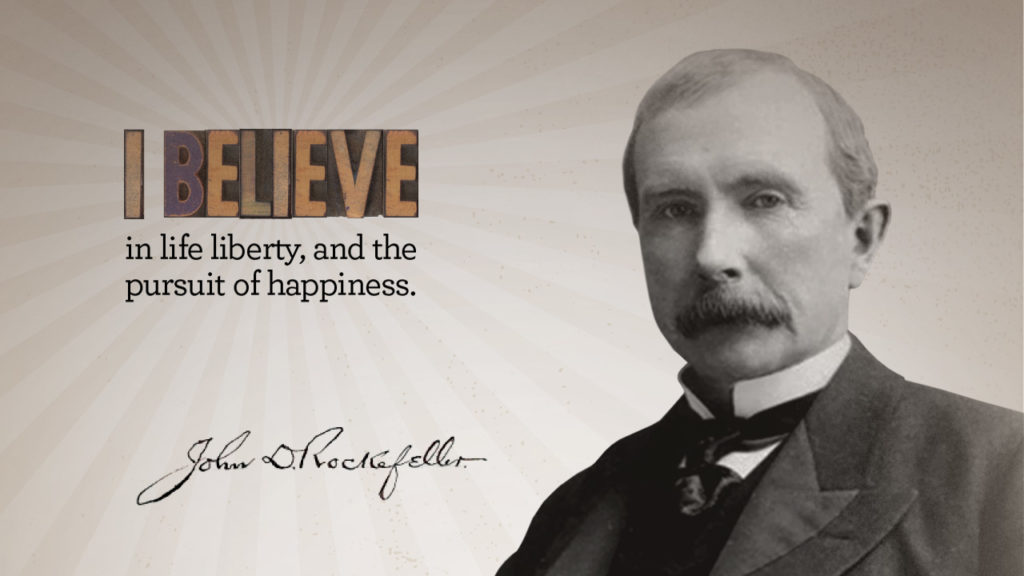
Many people think about leaving a legacy for their children and grandchildren. For some, the legacy is financial; they may set up a trust for future generations to draw from. For others, it’s equally, or even more important, to pass along their ethics and values.
John D. Rockefeller, oil tycoon, philanthropist and wealthiest man in U.S. history, did both. He shared his wealth through endowments to education and philanthropic organizations, including establishing the Rockefeller Foundation, whose mission since 1913 has been to promote the well being of humanity around the world.
Rockefeller created a list of 10 principles, when he was only in his second year of business, that he displayed in his office for 55 years – until he retired. He reviewed them daily and passed them on to his children and grandchildren, who went on to become globally-recognized philanthropists in their own right. A few went into public service, including his grandson Nelson Rockefeller, who served as governor of New York and Vice President of the U.S.
John D. Rockefeller not only built a fortune, he and his forebears also gave away a fortune and influenced our culture.
What principles do you live by?
You don’t have to be a wealthy oil magnate and philanthropist to devise a list of principles to adhere to.
- What principles do you want to live by that will help you build wealth and achieve significance in your family and community?
- What principles will help you serve those around you, including your clients, prospects, family, friends and strangers alike?
- What principles do you want to share and pass on to future generations to help them make a lasting impact?
Before John D. Rockefeller achieved success and became an established name, he was the son of a bigamist conman who left his family impoverished. When John turned 16, he became an assistant to a bookkeeper, a day he credits for changing his life. He celebrated the anniversary of his hiring annually until his death and said, “I often trembled when I asked myself the question, ‘What if I had not got that job?’”
If you’re having a bit of a legacy-induced crisis at the thought of creating principles, don’t worry. In episode #102 of It’s a Good Life, Brian shares Rockefeller’s 10 principles, all of which begin with “I believe…” and explains how these timeless statements apply today. Listen to the episode and don’t forget to download the resource that outlines these 10 principles. Post it where you can read it daily or use them as inspiration to create your own principles to live by.
If you haven’t already, subscribe to It’s a Good Life podcast for even more great content like this and become a Buffini Show Insider today!
Buffini & Company